
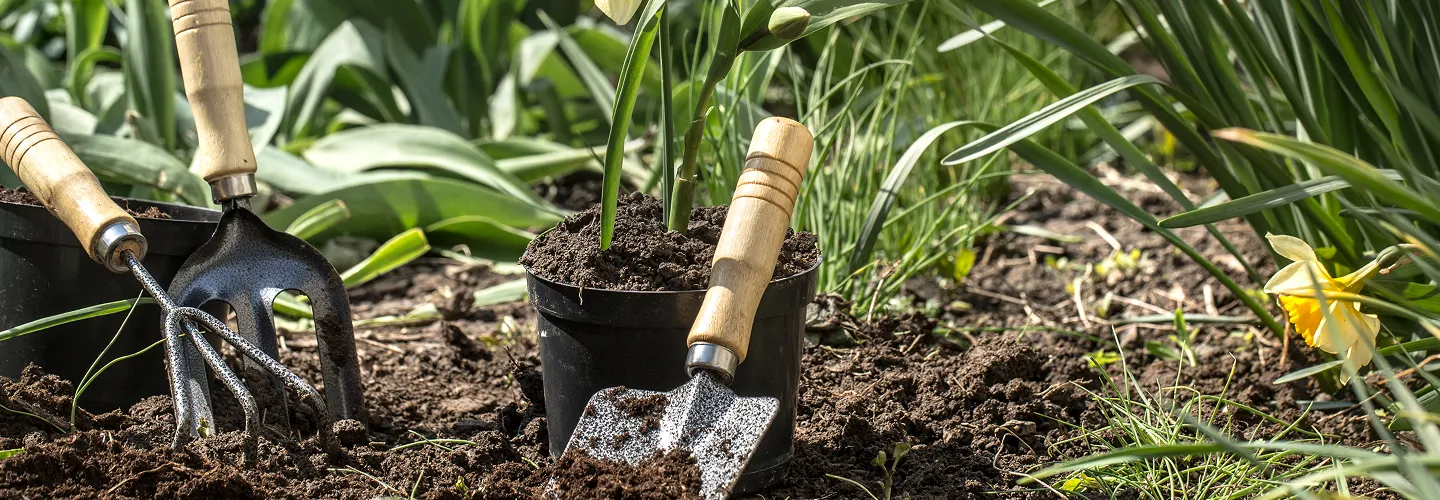
Brady Sod Installation Services
Choose our expert sod installation for a seamless, hassle-free transformation—enjoy a vibrant, healthy lawn that boosts your curb appeal and adds value to your home from day one.
Get a Free QuoteOur Brady Landscaping & Yard Care Services
When to Schedule Sod Installation in Brady, Texas – Seasonal Guide
In Brady, Texas, timing your sod installation is crucial for achieving a lush, resilient lawn that thrives year-round. The best periods for sod installation are typically late spring through early summer and early fall, when soil temperatures are warm and rainfall is more predictable. These windows allow new sod to establish strong roots before the intense summer heat or potential winter frosts arrive. Brady’s climate, characterized by hot summers, mild winters, and occasional drought conditions, means that careful planning is essential. Neighborhoods near Richards Park or along the banks of Brady Creek may experience varying shade coverage and soil moisture, impacting the ideal installation window. Local soil types, ranging from sandy loam to clay, also influence how quickly sod roots can take hold. Homeowners should be mindful of the last frost date—usually in early March—and the risk of late-summer droughts, which can stress newly laid sod. For more information on local environmental guidelines, visit the official municipal resource.
Local Factors to Consider for Sod Installation in Brady
- Tree density and shade coverage, especially in established neighborhoods like Melvin Road
- Terrain slope and drainage patterns, which affect water retention
- Average precipitation and risk of drought during summer months
- Soil composition (sandy, loamy, or clay-heavy soils)
- Municipal watering restrictions or seasonal ordinances
- Proximity to landmarks such as Brady Lake, which may influence humidity and microclimates
Benefits of Sod Installation in Brady
Instant Green Lawn
Erosion Control
Weed Reduction
Enhanced Curb Appeal
Improved Soil Quality
Professional Installation
Brady Sod Installation Types

Residential Sod Installation
-
Commercial Sod Installation
-
Sports Field Sod Installation
-
Golf Course Sod Installation
-
Erosion Control Sod Installation
-
New Construction Sod Installation
-
Sod Replacement Services
Our Sod Installation Process
Site Preparation
Soil Grading
Sod Delivery
Sod Laying
Watering and Rolling
Why Choose Brady Landscape Services
-
Brady Homeowners Trust Us
-
Expert Lawn Maintenance
-
Competitive Pricing
-
Professional Team
-
Satisfaction Guarantee
-
Personalized Service
-
Reliable Scheduling
Soil Series and Drainage Considerations for Sod Installation in Brady
Brady’s predominant soils, as identified by the USDA Web Soil Survey, include Houston Black clay and Tarrant soils, both characterized by high clay content and moderate to poor drainage. These soils typically exhibit pH values ranging from 7.2 to 8.0, which can impact sod rooting and nutrient uptake. For successful sod installation, it is recommended to incorporate 2-3 inches of compost into the top 6 inches of soil and perform core aeration to a depth of 3 inches to alleviate compaction. Soil testing through Texas A&M AgriLife Extension is advised (typical cost: $15-25) to determine amendment needs. Avoid sod installation in areas with standing water or where the seasonal water table is within 12 inches of the surface. Buffer zones of at least 25 feet should be maintained from any wetlands or drainageways to comply with local and federal Clean Water Act requirements.
Brady Planning and Zoning Department
201 E. Main Street, Brady, TX 76825
Phone: (325) 597-2152
Official Website: Brady Planning and Zoning Department
Optimal Sod Installation Timing and Weather Patterns in Brady
Brady is located in USDA Hardiness Zone 8a, with average annual minimum temperatures of 10°F to 15°F. The ideal window for sod installation is from March 15 to May 15, when soil temperatures consistently exceed 55°F and rainfall supports establishment. Fall installation is also feasible from September 1 to October 15, provided sod is laid at least 30 days before the first expected frost (typically late October). Avoid installation during peak summer (June-August) due to high temperatures and drought stress. Monitor local weather forecasts through the National Weather Service San Angelo Office for rainfall and temperature trends. Irrigation should be scheduled early morning or late evening to minimize evaporation, and watering restrictions may apply during drought periods as enforced by the city.
Brady Water Distribution Division
201 E. Main Street, Brady, TX 76825
Phone: (325) 597-2241
Official Website: Brady Water Distribution Division
Municipal Ordinances and Permit Requirements for Sod Installation Projects
Sod installation in Brady must comply with city ordinances regarding construction activity, noise, and property maintenance. Equipment operation is permitted:
- Monday-Friday: 7:00 AM - 7:00 PM
- Saturday: 8:00 AM - 6:00 PM
- Sunday and holidays: Prohibited Permits are required for any grading, soil disturbance over 5,000 square feet, or work within 50 feet of public rights-of-way. Permit applications are processed through the city’s building department, with a typical fee of $50 and a review period of 5-10 business days. All sod projects must maintain a 25-foot buffer from wetlands and drainage ditches. Violations of these ordinances may result in fines or stop-work orders. For detailed requirements, consult the city’s code enforcement office.
Brady Code Enforcement Department
201 E. Main Street, Brady, TX 76825
Phone: (325) 597-2152
Official Website: Brady Code Enforcement Department
Environmental Compliance: Stormwater, Buffer Zones, and State Regulations in Brady
Sod installation activities in Brady are subject to stormwater management regulations under the Texas Water Code and the city’s MS4 permit, which prohibits sediment, fertilizer, or sod debris from entering storm drains. Maintain a 25-foot no-disturbance buffer from wetlands and a 50-foot setback from the banks of Brady Creek and other protected water bodies. Fertilizer application is restricted within 50 feet of water features to prevent nutrient runoff. All sod waste and soil debris must be collected and disposed of according to city guidelines—plastic bags are prohibited; use biodegradable bags or 32-gallon bins. For additional guidance, refer to the Texas Commission on Environmental Quality and EPA Region 6.
Texas Commission on Environmental Quality
12100 Park 35 Circle, Austin, TX 78753
Phone: (512) 239-1000
Official Website: Texas Commission on Environmental Quality
Professional Standards and Safety Protocols for Sod Installation Crews in Brady
All sod installation crews operating in Brady must adhere to professional safety standards and equipment requirements. Personal protective equipment (PPE) is mandatory, including:
- Eye protection: ANSI Z87.1 safety glasses
- Hearing protection: Earmuffs or plugs for noise above 85 dB
- Footwear: Steel-toed, non-slip boots
- Gloves: Cut-resistant for handling sod and tools Equipment must be commercial-grade, with mowers and sod cutters maintained and blades sharpened every 20-25 hours of use. Maintain a 15-foot clearance from overhead power lines and mark all underground utilities before excavation. Operators must comply with city noise ordinances and traffic safety protocols when working near public roads. For large projects, traffic control plans may be required by the city’s public works department.
Brady Street Maintenance Division
201 E. Main Street, Brady, TX 76825
Phone: (325) 597-2152
Official Website: Brady Street Maintenance Division
What Neighborhoods Do We Serve Throughout Brady, TX?
- Downtown Brady: Features older properties with compacted urban soils and limited green space, requiring soil amendment and careful drainage planning for sod installation.
- Brady Heights: Characterized by larger lots and mature trees, which can create shade and root competition challenges for new sod.
- Southside District: Includes newer developments with improved drainage but may have construction fill soils needing additional compost and aeration.
- North Park Area: Proximity to Brady Creek and city parks means stricter buffer zone enforcement and potential for periodic flooding, impacting sod selection and installation timing.
- West Brady: Contains a mix of residential and light commercial properties, with variable soil types and occasional access limitations for equipment.
- Eastgate: Noted for its sloped lots and runoff concerns, requiring erosion control measures and careful sod anchoring.
- Lakeview Estates: Located near water bodies, this area demands compliance with wetland buffer regulations and may require salt-tolerant sod varieties due to irrigation practices.