
Brady Brush Removal Services
Choose our brush removal experts for fast, thorough, and eco-friendly clearing—making your property safer, more attractive, and ready for your next project.
Get a Free QuoteOur Brady Landscaping & Yard Care Services
When to Schedule Brush Removal in Brady, Texas – Seasonal Guide
In Brady, Texas, timing your brush removal is crucial for maintaining a healthy and attractive landscape. The best periods for this service are typically late winter through early spring, just after the last frost and before new growth begins. This window allows for easier access to overgrown areas and minimizes disruption to native plants and wildlife. Brady’s climate, characterized by hot summers, mild winters, and variable rainfall, means that brush can accumulate quickly, especially in neighborhoods near Richards Park or along the banks of Brady Creek.
Local environmental factors such as drought risk, high humidity during late spring, and the region’s clay-heavy soils all play a role in determining the optimal schedule for brush removal. Areas with dense shade, like those near the Brady Municipal Golf Course, may require more frequent attention due to slower drying times and increased undergrowth. For more information on local regulations and best practices, consult the official municipal resources.
Local Factors to Consider for Brush Removal in Brady
- Tree density and type of vegetation in your yard
- Terrain challenges, such as rocky outcrops or sloped lots
- Seasonal precipitation patterns and risk of drought
- Proximity to landmarks like Richards Park or Brady Lake
- Municipal restrictions on brush disposal and burning
- Soil type, especially in areas with heavy clay or poor drainage
- Shade coverage affecting undergrowth and moisture retention
Benefits of Brush Removal in Brady

Enhanced Curb Appeal
Improved Property Safety
Prevention of Pest Infestations
Increased Usable Space
Healthier Plant Growth
Fire Hazard Reduction
Brady Brush Removal Types

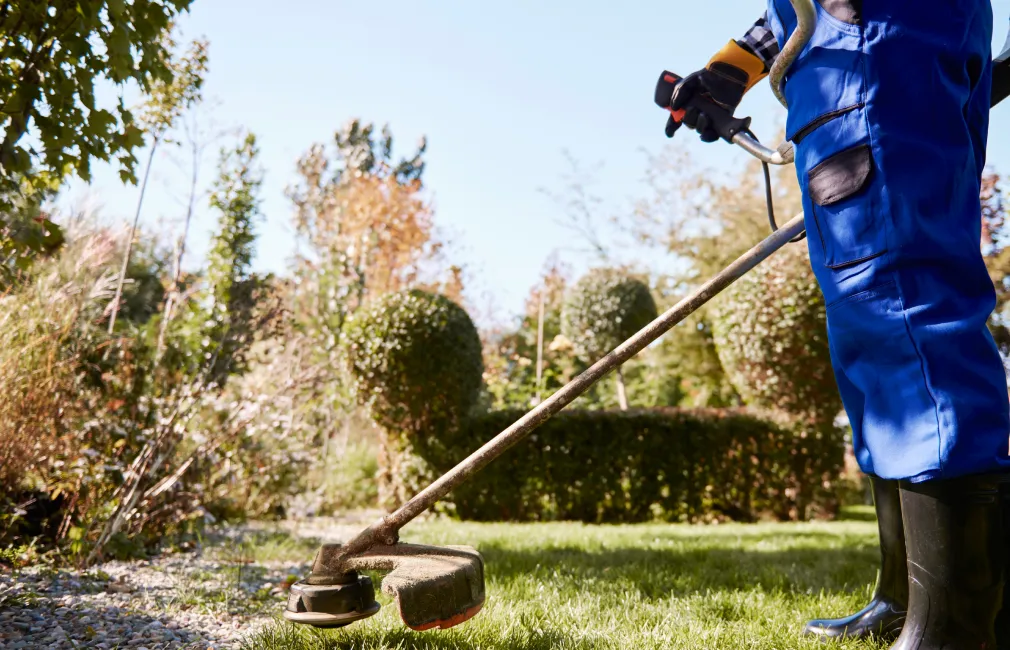
Manual Brush Clearing
-
Mechanical Brush Removal
-
Controlled Burning
-
Chemical Brush Control
-
Mulching and Chipping
-
Selective Brush Removal
-
Land Grading and Leveling
Our Brush Removal Process
Site Evaluation
Safety Preparation
Brush Clearing
Debris Removal
Final Inspection
Why Choose Brady Landscape Services
-
Brady Homeowners Trust Us
-
Expert Lawn Maintenance
-
Competitive Pricing
-
Professional Team
-
Satisfaction Guarantee
-
Personalized Service
-
Reliable Scheduling
Brush Removal Coordination with Brady’s Department of Public Works and Local Ordinances
Effective brush removal in Brady requires strict adherence to municipal regulations and coordination with city departments. The City of Brady mandates that brush and yard debris be placed curbside for collection on designated days, typically every Thursday from April through November. Residents must use biodegradable bags or reusable bins (32-gallon maximum) for brush under 4 feet in length and 4 inches in diameter. Plastic bags and oversized branches are prohibited. Equipment operation for brush removal is permitted during the following hours:
- Monday-Friday: 7:00 AM - 7:00 PM
- Saturday: 8:00 AM - 6:00 PM
- Sunday and holidays: Prohibited
Permit requirements may apply for large-scale clearing or removal near public rights-of-way. For guidance on compliance, collection schedules, and permit applications, contact:
Brady Street Maintenance Division
201 E. Main Street, Brady, TX 76825
Phone: (325) 597-2152
Official Website: Brady Street Maintenance Division
Soil Series and Site Conditions Affecting Brush Removal in Brady
Brady’s landscape is dominated by Houston Black clay and Tarrant soils, both of which are expansive, alkaline, and prone to compaction. These soils have a pH typically ranging from 7.5 to 8.2 and can become waterlogged after heavy rainfall, complicating brush removal and equipment access. Proper site assessment is essential before initiating removal, especially in areas with poor drainage or seasonal water tables at 12-18 inches. Recommended best practices include:
- Avoiding heavy equipment use after rainfall to prevent rutting
- Using tracked machinery for improved weight distribution
- Incorporating compost at 2-3 inches depth to improve soil structure
- Conducting soil tests through Texas A&M AgriLife Extension (typical cost: $15-25)
For detailed soil mapping and site-specific recommendations, consult the USDA Web Soil Survey.
Environmental Compliance: Stormwater, Wetlands, and State Regulations in Brady
Brush removal activities in Brady must comply with both local and state environmental regulations to protect water quality and sensitive habitats. The Texas Water Code and Clean Water Act prohibit the disposal of brush or debris in storm drains, creeks, or wetlands. Maintain a minimum 25-foot buffer from all wetlands and water bodies, and never pile debris within these zones. The City’s MS4 permit, administered by the Texas Commission on Environmental Quality, requires:
- No dumping of yard waste in stormwater systems
- Immediate cleanup of accidental spills or debris migration
- Use of erosion control measures on slopes or near waterways
For questions regarding compliance or reporting violations, contact:
Brady Code Enforcement Department
201 E. Main Street, Brady, TX 76825
Phone: (325) 597-2152
Official Website: Brady Code Enforcement Department
Safety Protocols and Equipment Standards for Brush Removal in Brady
All brush removal operations in Brady must follow municipal safety standards and equipment requirements. Operators are required to wear:
- Eye protection: ANSI Z87.1 safety glasses
- Hearing protection: Earmuffs or plugs for noise above 85 dB
- Footwear: Steel-toed boots with non-slip soles
- Gloves: Cut-resistant for pruning, chemical-resistant for herbicide use
Maintain a 15-foot clearance from overhead power lines and a 25-foot buffer from public roadways during active removal. Commercial-grade chippers and saws must be inspected every 25 hours of operation, and all equipment must have functioning mufflers to comply with city noise ordinances. For work near public parks or rights-of-way, coordinate with:
Brady Parks and Recreation Department
201 E. Main Street, Brady, TX 76825
Phone: (325) 597-2152
Official Website: Brady Parks and Recreation Department
Optimal Timing and Weather Considerations for Brush Removal in Brady’s Climate
Brady is located in USDA Hardiness Zone 8a, with hot summers, mild winters, and an average annual rainfall of 26 inches. The optimal window for brush removal is late fall (October-November) and early spring (February-March), when soil moisture is moderate and vegetation is dormant. Avoid removal during peak summer (June-August) due to heat stress and increased fire risk. Monitor local weather forecasts through the National Weather Service San Angelo Office to plan operations around rainfall and wind events. Timing recommendations include:
- Fall removal: October 15 - November 30
- Spring removal: February 15 - March 31
- Avoid: June-August (heat, drought, fire hazard)
- Schedule work after 48 hours of dry weather for best soil conditions
What Neighborhoods Do We Serve Throughout Brady, TX?
- Downtown Brady: Characterized by mature trees, narrow alleys, and historic properties, requiring careful debris staging and compliance with local preservation guidelines.
- Brady Lake Area: Proximity to water bodies and floodplains necessitates strict adherence to buffer zones and stormwater protection measures during brush removal.
- Southside District: Features expansive clay soils and larger lots, often with dense brush growth and access challenges for heavy equipment.
- North Brady: Includes newer developments with compacted fill soils and HOA landscaping standards that may affect debris placement and removal timing.
- East Brady: Noted for sloped terrain and drainage channels, requiring erosion control and specialized equipment for safe brush handling.
- West Brady: Contains mixed residential and light commercial properties, with utility easements and overhead lines impacting equipment access and safety protocols.