
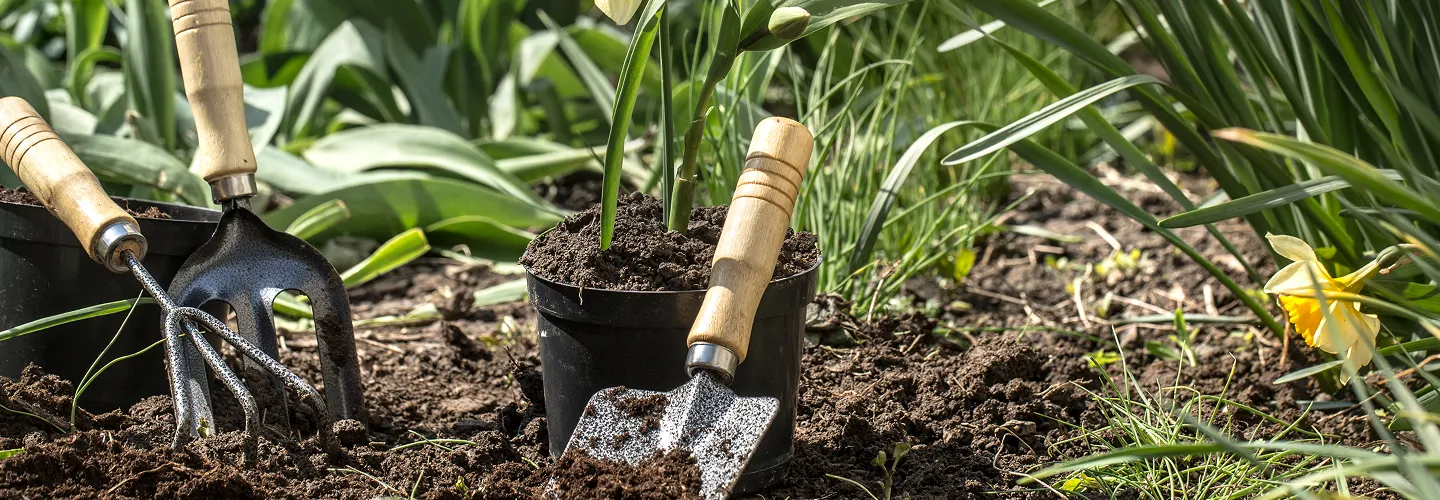
Brady Flower Planting Services
Choose Brady Flower Planting Services for vibrant, expertly arranged blooms that enhance your curb appeal and bring lasting beauty to your outdoor spaces.
Get a Free QuoteOur Brady Landscaping & Yard Care Services
When to Schedule Flower Planting in Brady, Texas – Seasonal Guide
In Brady, Texas, timing your flower planting is crucial for vibrant, long-lasting blooms. The region’s climate features hot summers, mild winters, and variable rainfall, making early spring and late fall the most favorable periods for planting. Local neighborhoods like Melvin Road and the area near Richards Park often experience late frosts, so it’s best to wait until after the last frost date—typically mid-March—before planting annuals. For perennials, late fall is ideal, allowing roots to establish before the heat of summer.
Environmental factors such as drought risk, soil composition, and shade from mature pecan and oak trees in areas like South Bridge Street can impact your planting schedule. Brady’s sandy-loam soils drain quickly, so choosing drought-tolerant varieties and mulching beds is recommended. Be mindful of municipal watering restrictions, especially during dry spells. For more information on local guidelines, visit the official city resource.
Local Factors to Consider for Flower Planting in Brady
- Proximity to large shade trees (e.g., pecan, oak)
- Soil type and drainage (sandy-loam is common)
- Average last frost date (mid-March)
- Drought risk and municipal watering restrictions
- Humidity and summer heat intensity
- Terrain and elevation changes near local landmarks
- Precipitation patterns throughout the year
Benefits of Flower Planting in Brady
Enhanced Curb Appeal
Increased Property Value
Expert Plant Selection
Seasonal Color Variety
Low-Maintenance Solutions
Eco-Friendly Landscaping
Brady Flower Planting Types

Perennial Flower Beds
-
Annual Flower Displays
-
Native Plant Gardens
-
Pollinator-Friendly Plantings
-
Shade Garden Installations
-
Seasonal Bulb Planting
-
Container Flower Arrangements
Our Flower Planting Process
Site Evaluation
Soil Preparation
Plant Selection
Careful Planting
Watering and Mulching
Why Choose Brady Landscape Services
-
Brady Homeowners Trust Us
-
Expert Lawn Maintenance
-
Competitive Pricing
-
Professional Team
-
Satisfaction Guarantee
-
Personalized Service
-
Reliable Scheduling
Soil Series and Drainage Considerations for Flower Planting in Brady
Brady’s predominant soils, as identified by the USDA Web Soil Survey, include Houston Black clay and associated Vertisols, which are characterized by high clay content, slow permeability, and a tendency for seasonal water retention. These soils typically exhibit a pH range of 7.5-8.2, requiring careful selection of flower species and soil amendments. For optimal establishment, incorporate 2-3 inches of compost tilled to a 6-inch depth and consider gypsum to improve structure. Soil testing is recommended through Texas A&M AgriLife Extension (typical cost: $15-25). Key site preparation steps include:
- Deep tilling to break up compaction (8-10 inches)
- Amending with organic matter for drainage
- Avoiding planting in low-lying areas prone to standing water
Seasonal Timing and Climate Zone Guidance for Brady Flower Planting
Brady is located in USDA Hardiness Zone 8a, with average annual minimum temperatures of 10-15°F. The optimal window for planting most annual and perennial flowers is March 15 to May 1, when soil temperatures reach 55-65°F. Fall planting of hardy perennials is best completed by October 15 to allow root establishment before the first frost, which typically occurs in late November. Consult the National Weather Service San Angelo Office for up-to-date frost advisories and rainfall forecasts. Recommended timing guidelines:
- Spring planting: March 15 – May 1
- Fall planting: September 15 – October 15
- Avoid planting during peak summer (June-August) due to heat stress
Municipal Coordination and Flower Bed Installation Standards in Brady
All flower bed installations in Brady must comply with local property maintenance ordinances and setback requirements. The Brady Code Enforcement Department enforces standards for landscape maintenance, including weed control and debris removal. Equipment operation for landscape work is permitted:
- Monday-Friday: 7:00 AM – 7:00 PM
- Saturday: 8:00 AM – 6:00 PM
- Sunday and holidays: Prohibited Debris from planting activities must be disposed of in accordance with city guidelines—use biodegradable bags or 32-gallon containers for collection. For projects near public rights-of-way or city parks, coordinate with the Brady Parks and Recreation Department for access and restoration requirements.
Brady Code Enforcement Department
201 E. Main Street, Brady, TX 76825
Phone: (325) 597-2152
Official Website: Brady Code Enforcement Department
Brady Parks and Recreation Department
900 W. 17th Street, Brady, TX 76825
Phone: (325) 597-2064
Official Website: Brady Parks and Recreation Department
Environmental Compliance: Stormwater, Buffer Zones, and State Regulations
Flower planting in Brady must adhere to stormwater management requirements under the Texas Water Code and the Clean Water Act. The city’s MS4 permit prohibits the discharge of soil, mulch, or plant debris into storm drains. Maintain a 25-foot no-disturbance buffer from wetlands and a 50-foot setback from the banks of Brady Creek and other protected water bodies. Fertilizer and pesticide applications must not occur within these buffer zones. For additional guidance, consult the Texas Commission on Environmental Quality and EPA Region 6. Compliance checklist:
- No debris in storm drains
- 25-foot wetland buffer
- 50-foot water body setback
- Use only registered products per state law
Texas Commission on Environmental Quality
12100 Park 35 Circle, Austin, TX 78753
Phone: (512) 239-1000
Official Website: Texas Commission on Environmental Quality
Selecting Native and Drought-Tolerant Flower Species for Brady
Given Brady’s hot, dry summers and alkaline clay soils, select flower species that are both drought-tolerant and adapted to local conditions. Recommended options include:
- Black-eyed Susan (Rudbeckia hirta)
- Purple coneflower (Echinacea purpurea)
- Autumn sage (Salvia greggii)
- Mexican hat (Ratibida columnifera)
- Winecup (Callirhoe involucrata)
- Engelmann daisy (Engelmannia peristenia) For shaded sites, consider coral bells (Heuchera sanguinea) or Turk’s cap (Malvaviscus arboreus). Plant spacing should be 12-18 inches for annuals and 18-24 inches for perennials to ensure healthy growth and airflow. Reference the Texas A&M AgriLife Extension for detailed plant selection and care guides.
What Neighborhoods Do We Serve Throughout Brady, TX?
- Downtown Brady: Features historic properties with compacted urban soils and limited green space, requiring raised beds and soil amendment for successful flower planting.
- Brady Lake Area: Proximity to Brady Lake and creek floodplains necessitates strict adherence to buffer zones and careful species selection for flood-tolerant and erosion-resistant flowers.
- Southside District: Larger lots with mature trees create partial shade and leaf litter, influencing plant choice and requiring regular debris management.
- North Brady: Newer developments with expansive clay soils and minimal organic matter benefit from deep tilling and compost incorporation before planting.
- West Brady: Sloped terrain and drainage channels demand erosion control measures and the use of groundcover species to stabilize soil.
- East Brady: Mixed residential and commercial properties with variable soil fill and infrastructure proximity, requiring attention to underground utilities and city setback regulations.