
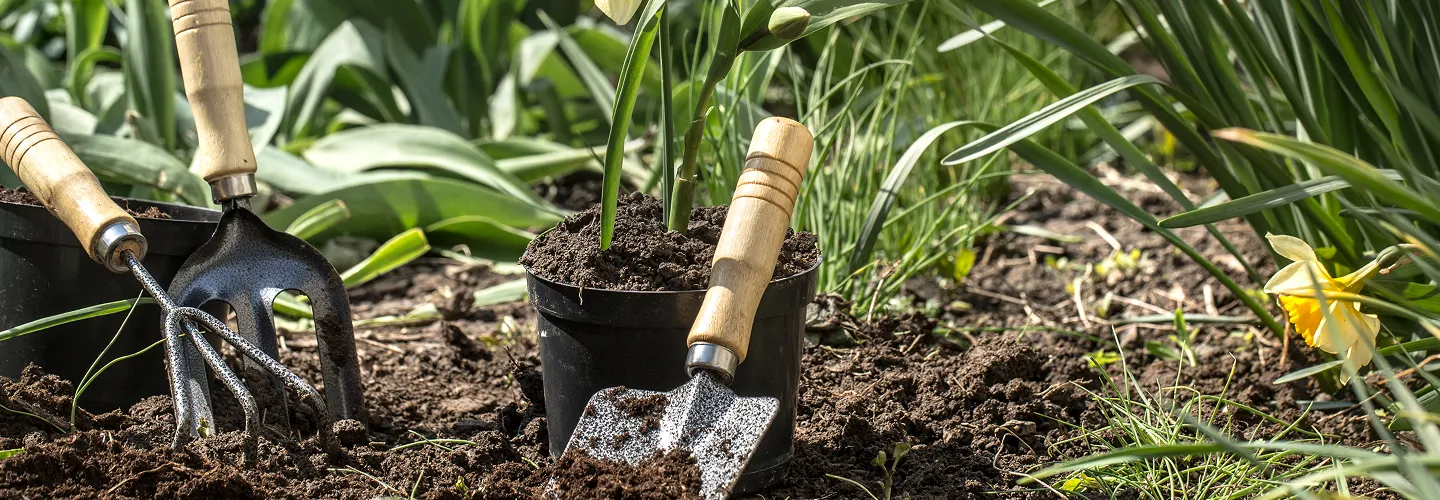
Brady Lawn Renovation Services
Choose our Lawn Renovation services for expert care, proven results, and a lush, healthy yard that enhances your home's beauty and value—because your lawn deserves the best.
Get a Free QuoteOur Brady Landscaping & Yard Care Services
When to Schedule Lawn Renovation in Brady, Texas – Seasonal Guide
In Brady, Texas, timing your lawn renovation is crucial for achieving a lush, healthy yard that thrives year-round. The best periods for renovation typically fall in early spring and late summer, when soil temperatures are optimal for seed germination and root development. Brady’s climate features hot, dry summers and mild winters, so planning around the last frost date—usually in late February or early March—is essential. Renovating too early can expose new grass to unexpected cold snaps, while waiting too late in the season may subject young turf to intense heat and drought stress.
Local neighborhoods like Melvin Road and the area near Richards Park often experience varying shade coverage and soil types, which can influence renovation timing. Properties closer to Brady Lake may contend with higher humidity and occasional flooding, while those on the outskirts face more drought-prone conditions. It’s also important to consider municipal guidelines and water restrictions, which can impact when and how you renovate your lawn. For more information on local regulations, visit the official municipal website.
Local Factors to Consider for Lawn Renovation in Brady
- Tree density and shade coverage, especially in established neighborhoods
- Soil composition (sandy vs. clay-heavy soils)
- Proximity to water sources like Brady Lake
- Typical precipitation patterns and drought risk
- Terrain and drainage characteristics
- Municipal water use restrictions and seasonal guidelines
Benefits of Lawn Renovation in Brady
Enhanced Curb Appeal
Improved Lawn Health
Weed and Pest Reduction
Increased Property Value
Customized Landscaping Solutions
Expert Local Knowledge

Brady Lawn Renovation Types

Sod Installation
-
Seeding and Overseeding
-
Aeration Services
-
Dethatching
-
Topdressing
-
Weed and Pest Control
-
Soil Amendment
Our Lawn Renovation Process
Site Evaluation
Soil Preparation
Seeding or Sodding
Watering and Fertilization
Ongoing Maintenance
Why Choose Brady Landscape Services
-
Brady Homeowners Trust Us
-
Expert Lawn Maintenance
-
Competitive Pricing
-
Professional Team
-
Satisfaction Guarantee
-
Personalized Service
-
Reliable Scheduling
Soil Series and Drainage Considerations for Lawn Renovation in Brady
Brady’s predominant soils, including the Houston Black clay and Tarrant silty clay loam, present unique challenges for lawn renovation. These Vertisols are characterized by high clay content, pH levels typically ranging from 7.5 to 8.2, and poor drainage, especially after heavy rainfall. Core aeration to a depth of 2-3 inches is recommended every 2-3 years to alleviate compaction and improve water infiltration. Soil testing through Texas A&M AgriLife Extension is advised, with typical test costs ranging from $15 to $25. Amendments such as 2-3 inches of compost tilled to a 6-inch depth can enhance organic matter and structure. For detailed soil mapping, consult the USDA Web Soil Survey. Coordination with municipal drainage guidelines is essential to prevent runoff issues.
Brady Planning and Zoning Department
201 E. Main Street, Brady, TX 76825
Phone: (325) 597-2152
Official Website: Brady Planning and Zoning Department
Seasonal Timing and Weather Guidance for Lawn Renovation in Brady
Lawn renovation in Brady should be carefully timed to local climate conditions. The city falls within USDA Hardiness Zone 8a, with optimal seeding windows from April 15 to May 30 (spring) and August 20 to September 30 (fall), when soil temperatures range from 50°F to 65°F. Avoid renovation during June through August due to heat stress and drought risk. Monitor local weather forecasts through the National Weather Service San Angelo Office for rainfall and temperature trends. Key timing recommendations include:
- Spring seeding: April 15 – May 30
- Fall seeding: August 20 – September 30
- Fertilization: Early May and September for cool-season grasses
- Avoid: June-August (high heat) Proper timing reduces weed pressure and increases turf establishment success.
Municipal Ordinances and Equipment Operation Standards in Brady
Lawn renovation activities in Brady are subject to municipal ordinances regulating equipment operation and property maintenance. According to city code, powered equipment may be operated:
- Monday-Friday: 7:00 AM – 7:00 PM
- Saturday: 8:00 AM – 6:00 PM
- Sunday and holidays: Prohibited All equipment must be maintained with functional mufflers, and noise levels should not exceed 85 decibels at property lines. Debris generated during renovation, such as sod, soil, or plant material, must be disposed of in accordance with city waste guidelines. Use biodegradable bags or 32-gallon containers for collection; plastic bags and branches over 4 inches in diameter are prohibited. For ordinance details and compliance assistance:
Brady Code Enforcement Department
201 E. Main Street, Brady, TX 76825
Phone: (325) 597-2152
Official Website: Brady Code Enforcement Department
Environmental Compliance: Stormwater and Buffer Zone Regulations in Brady
Lawn renovation projects in Brady must comply with local and state environmental regulations to protect water quality. The city operates under a Municipal Separate Storm Sewer System (MS4) permit, prohibiting the discharge of grass clippings, soil, or chemicals into storm drains per the Clean Water Act. Maintain a 25-foot no-disturbance buffer from wetlands and a 50-foot setback from Brady Lake and Brady Creek. Fertilizer and pesticide applications are restricted within 50 feet of water bodies. The Texas Commission on Environmental Quality enforces these standards, and violations may result in fines. For guidance on buffer zones and stormwater compliance:
Texas Commission on Environmental Quality
12100 Park 35 Circle, Austin, TX 78753
Phone: (512) 239-1000
Official Website: Texas Commission on Environmental Quality
Professional Standards and Safety Protocols for Lawn Renovation in Brady
Adhering to professional standards ensures safety and quality during lawn renovation in Brady. Operators must use commercial-grade equipment, such as 4-stroke core aerators and slit seeders, with blades sharpened every 20-25 hours. Personal protective equipment (PPE) is required:
- Eye protection: ANSI Z87.1 safety glasses
- Hearing protection: Earmuffs or plugs for 85+ dB
- Footwear: Steel-toed boots, non-slip soles
- Gloves: Cut-resistant for pruning, chemical-resistant for applications Maintain a 15-foot clearance from overhead power lines and mark underground utilities before soil disturbance. For large-scale projects or work near public infrastructure, coordinate with the city’s street maintenance division.
Brady Street Maintenance Division
201 E. Main Street, Brady, TX 76825
Phone: (325) 597-2152
Official Website: Brady Street Maintenance Division
What Neighborhoods Do We Serve Throughout Brady, TX?
- Downtown Brady: Features older properties with compacted soils and mature trees, requiring frequent aeration and careful debris management due to narrow streets and historic infrastructure.
- Brady Lake Area: Proximity to Brady Lake and wetlands necessitates strict buffer compliance and careful chemical application to protect water quality.
- Southside District: Characterized by newer developments with moderate clay content and improved drainage, but subject to HOA landscaping standards and setback requirements.
- North Brady: Includes larger lots with heavy clay soils and periodic flooding, demanding enhanced drainage solutions and regular soil amendment.
- Eastgate: Noted for sloped terrain and runoff challenges, requiring erosion control measures and coordination with city drainage guidelines.
- West Brady: Contains mixed residential and commercial properties, with variable soil compaction and access limitations for large equipment.
- Heritage Oaks: Features established landscaping, dense tree cover, and stricter noise ordinance enforcement, impacting renovation scheduling and equipment selection.